


Shopify vs WooCommerce: Which Is Better for Small Businesses?

Web Designer Kuwait
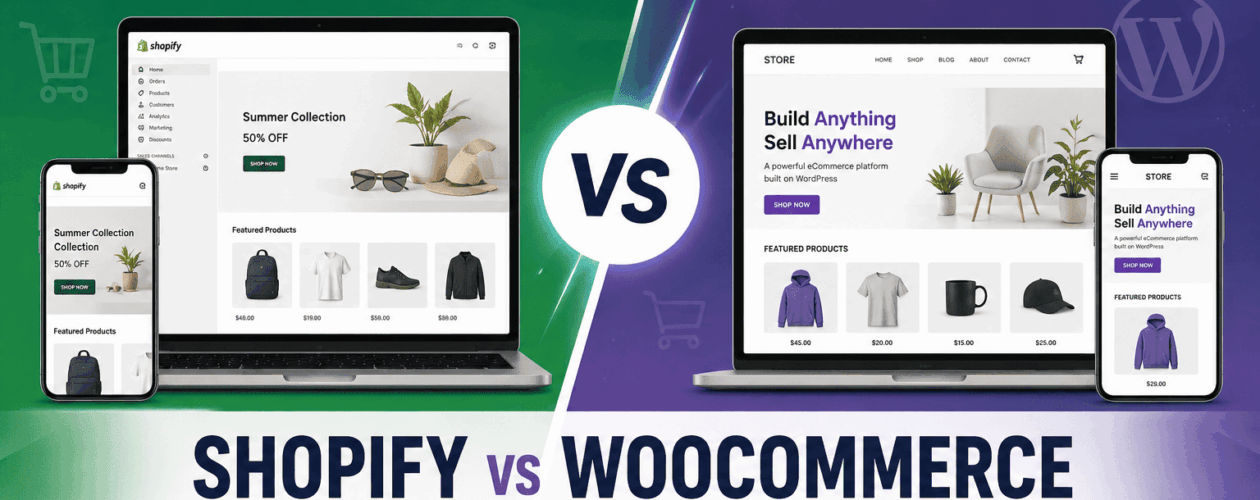
Choosing the right eCommerce platform is one of the most important decisions for any small business. Your online store serves as the foundation of your digital sales strategy, customer experience, and long-term growth. Two of the most popular eCommerce solutions available today are Shopify and WooCommerce.
Both platforms offer powerful tools for selling products online, but they differ significantly in terms of flexibility, customization, ownership, cost, and management requirements. Understanding these differences can help business owners make an informed decision that aligns with their goals and resources.
In this guide, we compare Shopify and WooCommerce across key factors including ease of use, pricing, customization, SEO, security, scalability, and overall business value.
What Is Shopify?
Shopify is a fully hosted eCommerce platform designed to help businesses launch and manage online stores without worrying about technical infrastructure. It provides hosting, security, updates, payment processing, and store management tools within a single platform.
Business owners can quickly create a store, add products, manage inventory, and process orders through a user-friendly dashboard.
Key Shopify features include:
- Managed hosting
- SSL security
- Built-in payment processing
- Inventory management
- Mobile-responsive themes
- App marketplace
- Automatic updates
What Is WooCommerce?
WooCommerce is an open-source eCommerce plugin built for WordPress. It transforms a WordPress website into a fully functional online store.
Unlike Shopify, WooCommerce gives businesses complete control over their website, hosting environment, and customization options. However, it requires more hands-on management.
WooCommerce allows businesses to:
- Create custom online stores
- Manage products and inventory
- Customize store functionality
- Integrate third-party services
- Control hosting and performance
- Leverage WordPress content marketing tools
Ease of Use
Shopify
Shopify is designed for simplicity. Users can launch an online store with minimal technical knowledge. The setup process is straightforward, and most features are accessible through an intuitive dashboard.
Tasks such as adding products, processing orders, managing customers, and configuring payment gateways are easy to perform.
WooCommerce
WooCommerce offers greater flexibility but comes with a steeper learning curve. Business owners need to manage hosting, updates, backups, plugins, and security.
Many companies choose to work with a professional WordPress Developer Kuwait to ensure their WooCommerce store is configured correctly and maintained effectively.
Winner
For ease of use and quick setup, Shopify has the advantage.
Cost Comparison
Shopify Pricing
Shopify uses a subscription-based pricing model.
Typical expenses include:
- Monthly subscription fees
- Premium themes
- Paid applications
- Transaction fees in some cases
While costs are predictable, expenses can increase as your business grows.
WooCommerce Pricing
WooCommerce itself is free, but additional costs may include:
- Web hosting
- Domain registration
- Premium plugins
- Security solutions
- Development services
Businesses have more control over spending and can scale costs according to their requirements.
Winner
WooCommerce often provides better long-term value and cost flexibility.
Design and Customization
Shopify
Shopify offers professionally designed themes that are optimized for mobile devices and eCommerce performance.
Customization is possible, but advanced modifications often require assistance from an experienced Shopify Developer Kuwait.
WooCommerce
WooCommerce provides virtually unlimited customization options through WordPress themes, plugins, and custom development.
Businesses can create unique shopping experiences tailored to their specific requirements.
Winner
WooCommerce offers greater flexibility and customization potential.
SEO Capabilities
Search engine visibility is essential for attracting customers and growing online sales.
Shopify SEO
Shopify includes many built-in SEO features such as:
- Automatic sitemap generation
- Mobile-friendly architecture
- Fast hosting infrastructure
- Basic SEO controls
These features provide a strong foundation for search visibility.
WooCommerce SEO
WooCommerce benefits from the powerful WordPress ecosystem, giving businesses access to advanced SEO tools and greater optimization control.
Advantages include:
- Advanced SEO plugins
- Custom URL structures
- Schema markup implementation
- Content marketing opportunities
- Technical SEO flexibility
Winner
WooCommerce generally offers more advanced SEO capabilities and flexibility.
Content Marketing Advantages
Many successful online stores rely on educational content to attract visitors and build trust.
Shopify
Shopify includes blogging functionality, but content management options are relatively limited.
WooCommerce
WooCommerce integrates directly with WordPress, one of the world’s most popular content management systems.
This allows businesses to create:
- Blog articles
- Buying guides
- Industry resources
- Knowledge centers
- Topical content clusters
Winner
WooCommerce is the stronger choice for content marketing.
Performance and Speed
Shopify
Shopify manages server performance, updates, and infrastructure optimization automatically.
This ensures reliable performance without requiring technical expertise.
WooCommerce
Performance depends on hosting quality, theme optimization, plugin management, and development practices.
A properly optimized WooCommerce store can deliver excellent speed and user experience.
Winner
Shopify offers simpler performance management.
Security
Shopify
Security is managed by Shopify, including SSL certificates, PCI compliance, and software updates.
WooCommerce
WooCommerce security depends on the hosting environment, plugins, updates, and maintenance practices.
Many businesses rely on a WordPress Developer Kuwait to maintain security and performance standards.
Winner
Shopify provides a more hands-off security experience.
Scalability
Both platforms can support business growth effectively.
Shopify
Shopify automatically handles increasing traffic, larger product catalogs, and growing order volumes.
WooCommerce
WooCommerce can scale successfully with proper hosting infrastructure and ongoing optimization.
Winner
Both platforms scale well, but Shopify offers a simpler path for non-technical business owners.
Ownership and Control
Shopify
Businesses operate within Shopify’s ecosystem and infrastructure.
WooCommerce
Businesses own their website files, database, hosting environment, and store architecture.
This provides greater flexibility and independence.
Winner
WooCommerce offers complete ownership and control.
Which Platform Is Better for Small Businesses?
Choose Shopify If:
- You want a fast launch.
- You prefer simplicity.
- You do not want to manage hosting.
- You have limited technical resources.
- You want predictable monthly costs.
Choose WooCommerce If:
- You want complete ownership.
- You need advanced customization.
- SEO is a major priority.
- Content marketing is part of your strategy.
- You require maximum flexibility.
Why Professional Development Matters
The success of an eCommerce platform depends not only on the technology but also on how it is implemented.
An experienced Shopify Developer Kuwait can help optimize store performance, improve user experience, configure payment gateways, and customize themes.
Similarly, a skilled WordPress Developer Kuwait can build highly customized WooCommerce solutions, optimize SEO performance, improve security, and develop advanced functionality.
Why Businesses Choose WDK
WDK helps businesses select, build, and optimize eCommerce platforms that align with their goals and growth plans.
Our expertise includes:
- Shopify Store Development
- WooCommerce Development
- WordPress Development
- Custom eCommerce Solutions
- Payment Gateway Integration
- SEO Optimization
- Performance Enhancement
- Ongoing Maintenance and Support
Final Verdict
There is no one-size-fits-all answer in the Shopify versus WooCommerce debate. The right choice depends on your business objectives, technical requirements, budget, and growth strategy.
Shopify is ideal for businesses seeking simplicity, speed, and convenience. WooCommerce is better suited for organizations that prioritize flexibility, ownership, advanced SEO capabilities, and extensive customization.
Before making a decision, evaluate both your current needs and future goals. Partnering with experienced developers can help ensure your eCommerce platform supports sustainable growth and long-term success.