


How Do I Design an eCommerce Website That Converts?

Web Designer Kuwait
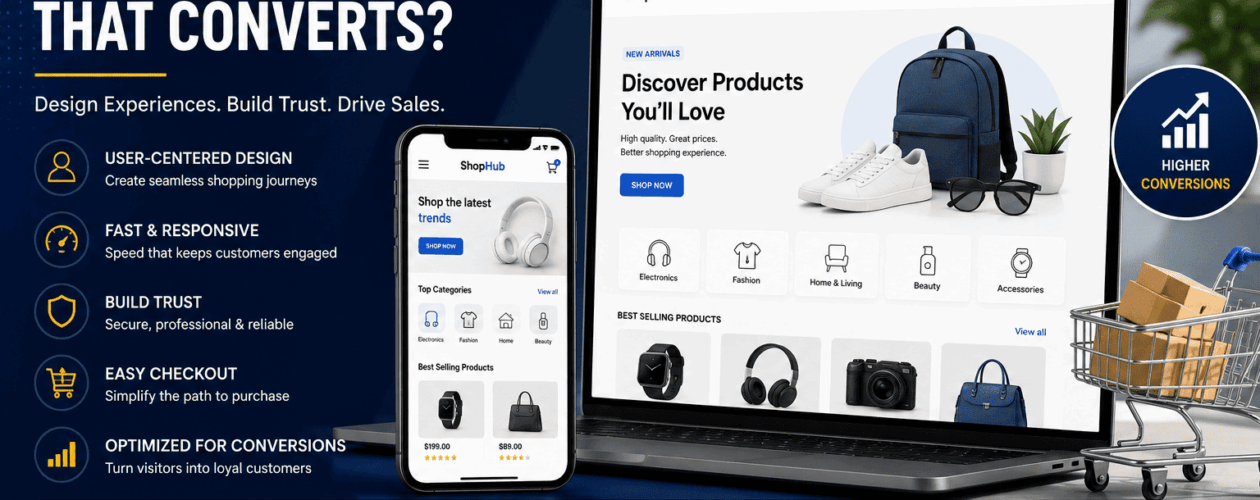
Creating an eCommerce website is relatively easy today. Designing an eCommerce website that consistently converts visitors into customers is where the real challenge begins.
Many online stores attract traffic but struggle to generate sales. The difference between a successful online store and an underperforming one often comes down to user experience, trust, website performance, product presentation, and conversion optimization.
A high-converting eCommerce website is not simply about attractive visuals. It requires a strategic combination of design, psychology, technology, and customer-focused experiences that guide visitors toward making a purchase.
In this guide, we’ll explore the essential elements of effective ecommerce website Design and how businesses can create online stores that generate more leads, sales, and customer loyalty.
Start With a Clear Understanding of Your Customers
Before designing any eCommerce website, it is important to understand your target audience.
Ask yourself:
- Who are your customers?
- What problems are they trying to solve?
- What devices do they use?
- What influences their purchasing decisions?
- What concerns might prevent them from buying?
Understanding customer behavior helps create a shopping experience that addresses their needs and removes friction throughout the buying journey.
Prioritize Mobile-First Design
Mobile commerce continues to grow rapidly, and many customers complete purchases directly from smartphones.
A mobile-first design approach ensures that your website performs flawlessly across all screen sizes.
Your online store should provide:
- Responsive layouts
- Touch-friendly navigation
- Fast-loading pages
- Mobile-friendly checkout
- Easy product browsing
- Optimized images
A poor mobile experience can significantly reduce conversion rates and increase cart abandonment.
Create a Professional and Trustworthy Design
Trust plays a major role in online purchasing decisions.
Visitors often decide within seconds whether a website appears credible.
Professional design elements include:
- Consistent branding
- Clean layouts
- Professional typography
- High-quality imagery
- Secure browsing indicators
- Clear contact information
A trustworthy website encourages visitors to continue exploring products and complete purchases with confidence.
Use High-Quality Product Images
Unlike physical stores, customers cannot touch or examine products directly.
Product photography becomes one of the most important conversion factors.
Best practices include:
- Multiple product angles
- High-resolution images
- Zoom functionality
- Lifestyle photography
- 360-degree views when possible
- Consistent image quality
Professional product images help reduce uncertainty and improve purchasing confidence.
Write Product Descriptions That Sell
Many online stores rely on generic manufacturer descriptions.
Effective product descriptions should focus on benefits rather than simply listing features.
Include:
- Key product benefits
- Technical specifications
- Usage scenarios
- Frequently asked questions
- Important purchase information
Clear and informative descriptions help customers make informed decisions.
Make Navigation Simple and Intuitive
Customers should be able to find products quickly and easily.
Good navigation improves both user experience and conversion rates.
Best practices include:
- Clear categories
- Logical menu structures
- Product filters
- Search functionality
- Breadcrumb navigation
- Easy access to shopping cart
Confusing navigation often leads to frustration and lost sales opportunities.
Optimize Website Speed
Website speed directly impacts user experience and conversions.
Research consistently shows that even small delays can increase bounce rates and reduce sales.
Speed optimization techniques include:
- Image compression
- Efficient coding
- Content delivery networks
- Caching mechanisms
- Optimized hosting environments
- Minimized scripts
Fast-loading websites create smoother shopping experiences and improve search engine visibility.
Build Trust With Social Proof
Customers often look for validation before making purchasing decisions.
Social proof helps reduce hesitation.
Examples include:
- Customer reviews
- Product ratings
- Testimonials
- Case studies
- User-generated content
- Customer success stories
Authentic reviews and feedback can significantly improve conversion rates.
Create Strong Calls to Action
Every page should guide users toward the next step.
Effective calls to action are:
- Clear
- Visible
- Action-oriented
- Relevant to customer intent
Examples include:
- Add to Cart
- Buy Now
- Request a Quote
- Start Shopping
- View Product Details
Well-designed call-to-action buttons help move visitors through the purchasing journey.
Simplify the Checkout Process
Checkout complexity is one of the leading causes of cart abandonment.
Customers expect a fast and straightforward checkout experience.
Best practices include:
- Guest checkout options
- Minimal form fields
- Progress indicators
- Multiple payment methods
- Transparent pricing
- Mobile-friendly checkout
Reducing friction during checkout can significantly improve conversion rates.
Offer Multiple Payment Options
Different customers prefer different payment methods.
Providing flexibility improves purchase completion rates.
Popular options include:
- Credit cards
- Debit cards
- Digital wallets
- Online banking
- Buy-now-pay-later solutions
- Regional payment gateways
Supporting preferred payment methods creates a smoother customer experience.
Use SEO to Drive Qualified Traffic
Even the best-designed online store cannot convert visitors if no one finds it.
Search engine optimization helps attract highly relevant traffic.
Important SEO elements include:
- Keyword optimization
- Technical SEO
- Schema markup
- Product page optimization
- Category page optimization
- Content marketing
Strong SEO helps businesses attract customers who are actively searching for products.
Leverage Data and Analytics
Successful eCommerce businesses continuously improve their websites based on data.
Monitor metrics such as:
- Conversion rates
- Bounce rates
- Cart abandonment rates
- Average order value
- Traffic sources
- Customer behavior patterns
Analytics help identify opportunities for ongoing optimization.
Focus on Customer Retention
Acquiring new customers is important, but retaining existing customers is often more profitable.
Customer retention strategies include:
- Loyalty programs
- Email marketing
- Personalized recommendations
- Exclusive offers
- Excellent customer service
- Post-purchase communication
Repeat customers often contribute significantly to long-term revenue growth.
Why Businesses Choose WDK for eCommerce Website Design
At WDK, we design eCommerce websites that focus on performance, user experience, conversion optimization, and business growth.
Our eCommerce solutions include:
- Custom eCommerce Website Design
- Shopify Development
- WooCommerce Development
- Payment Gateway Integration
- SEO-Friendly Architecture
- Mobile Optimization
- Conversion Rate Optimization
- Ongoing Support & Maintenance
We help businesses create online stores that not only attract visitors but also convert them into loyal customers.
Final Thoughts
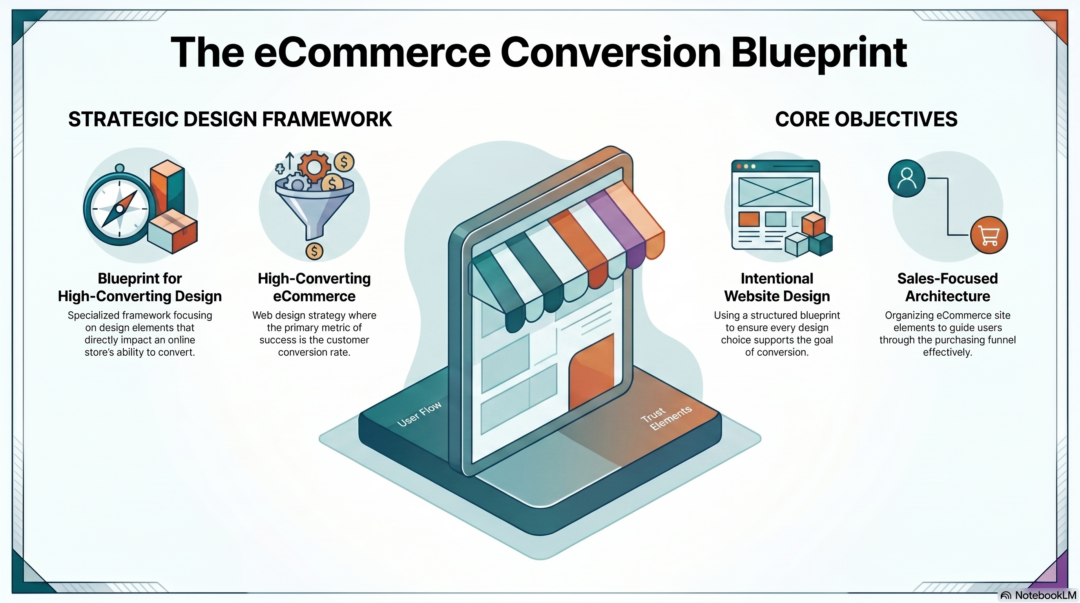
Designing a high-converting eCommerce website requires more than attractive visuals. Success depends on understanding customer behavior, building trust, optimizing performance, simplifying the buying process, and continuously improving based on data.
By focusing on user experience, mobile responsiveness, product presentation, SEO, and conversion optimization, businesses can create online stores that generate sustainable growth and long-term success.
A well-executed ecommerce website Design strategy transforms your website from a simple online catalog into a powerful sales and revenue-generating platform.